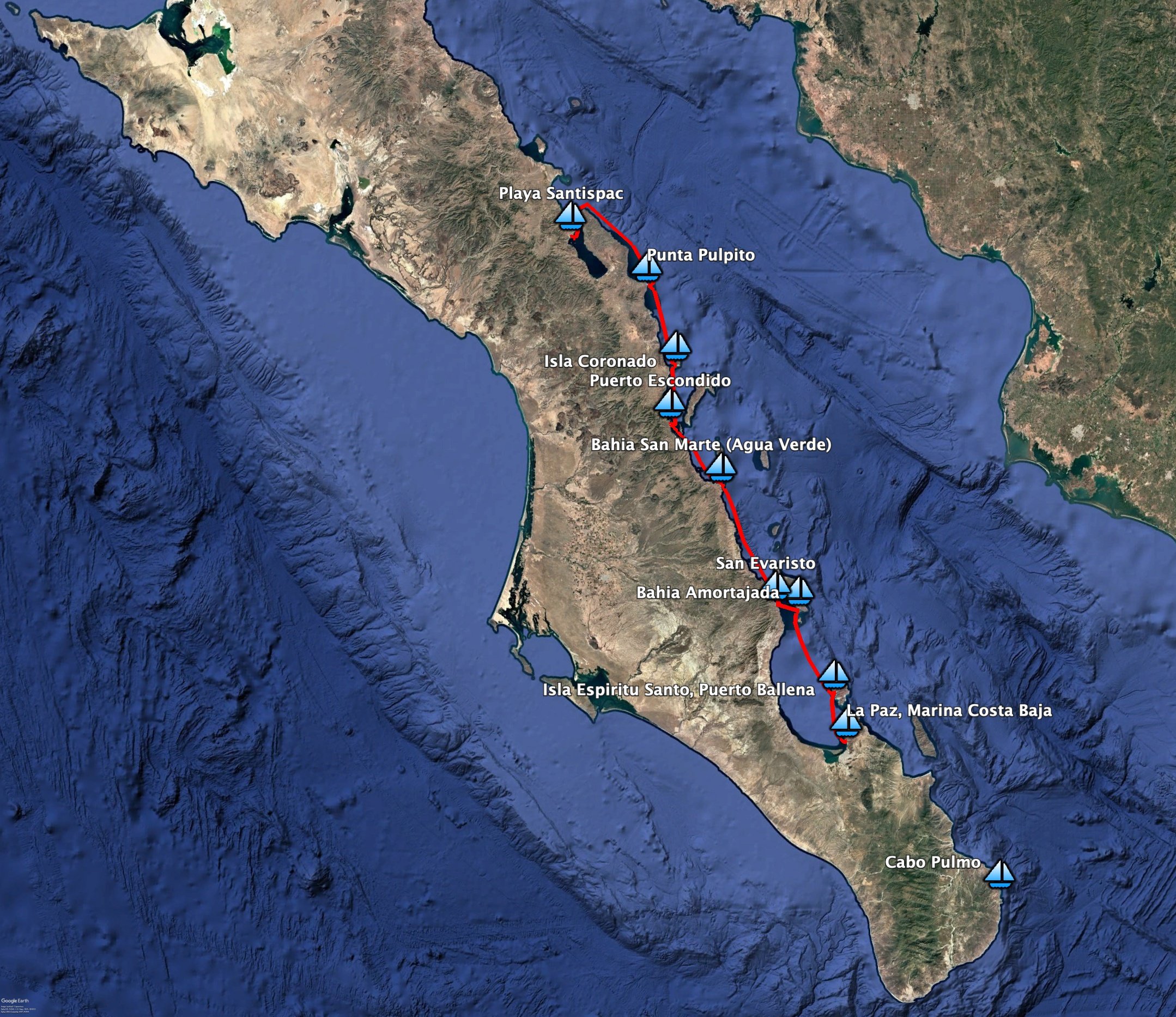
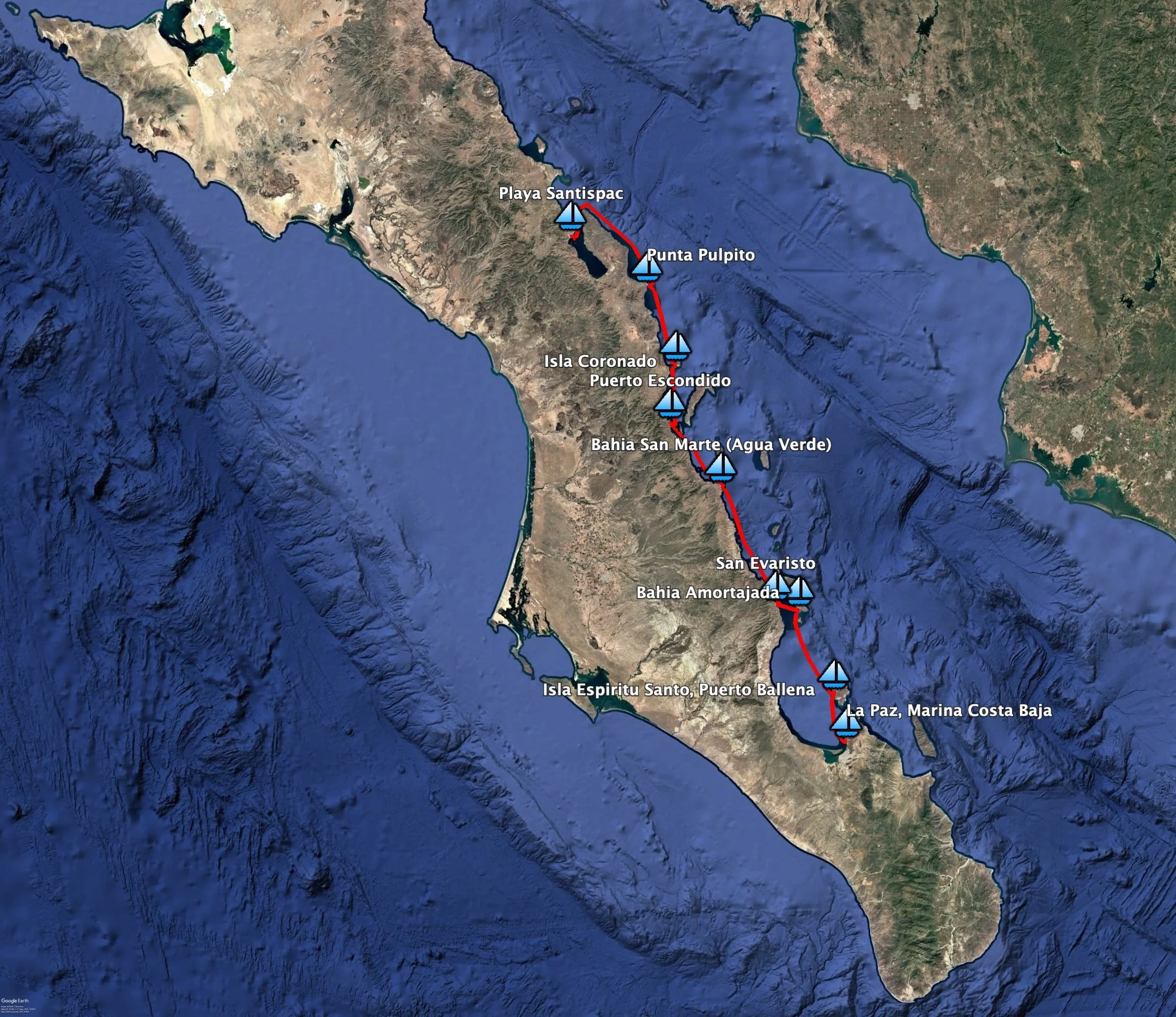
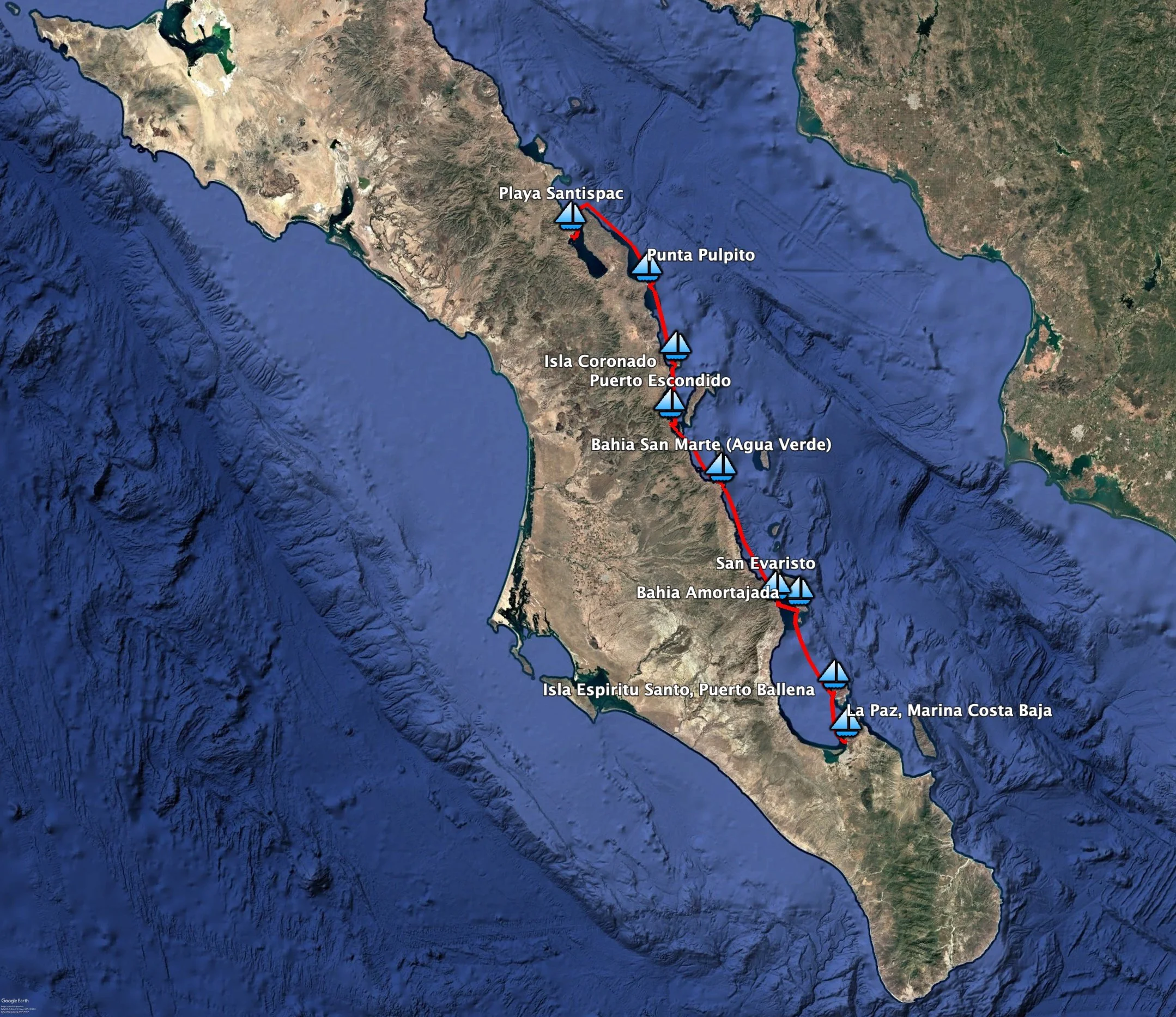
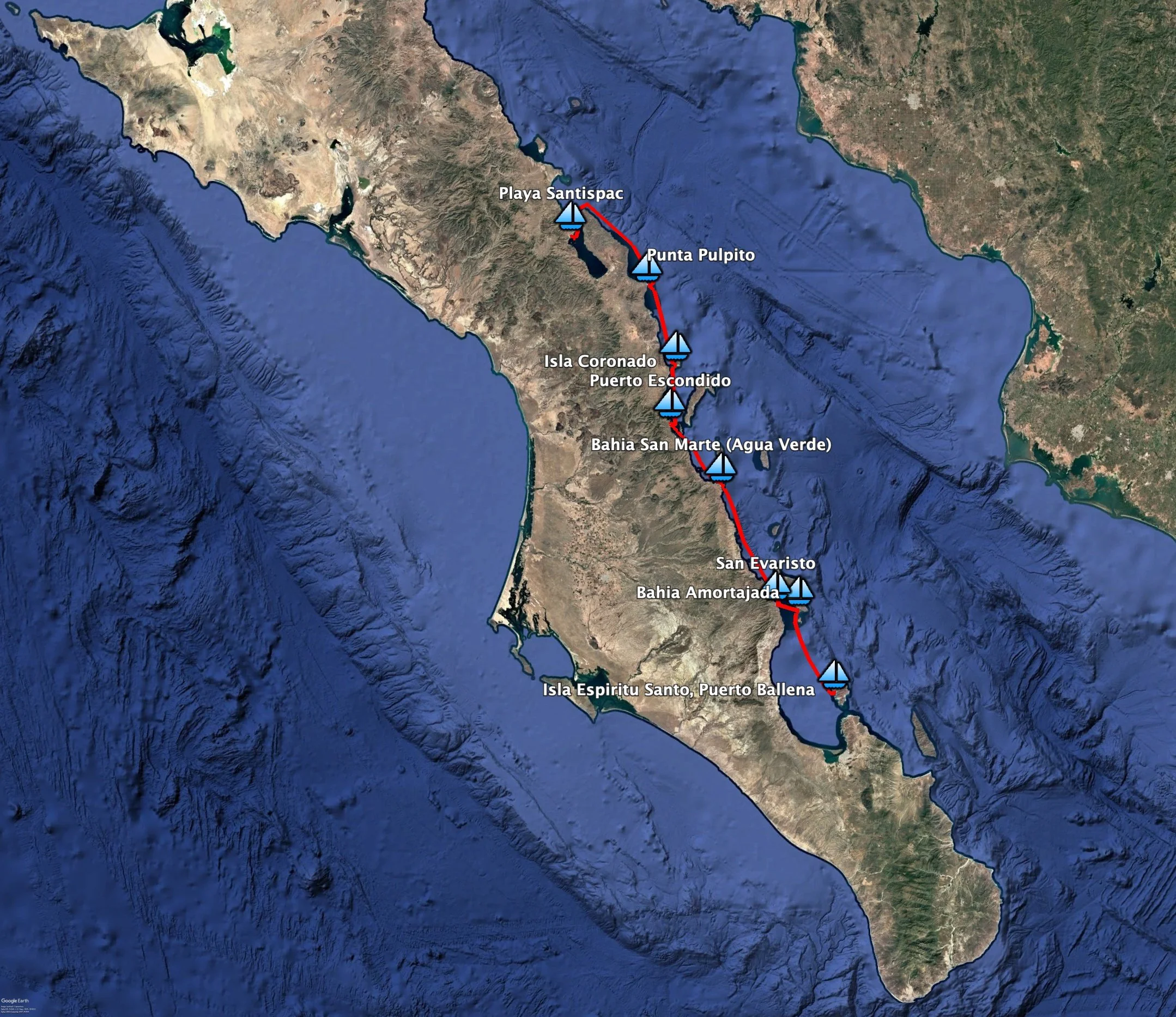
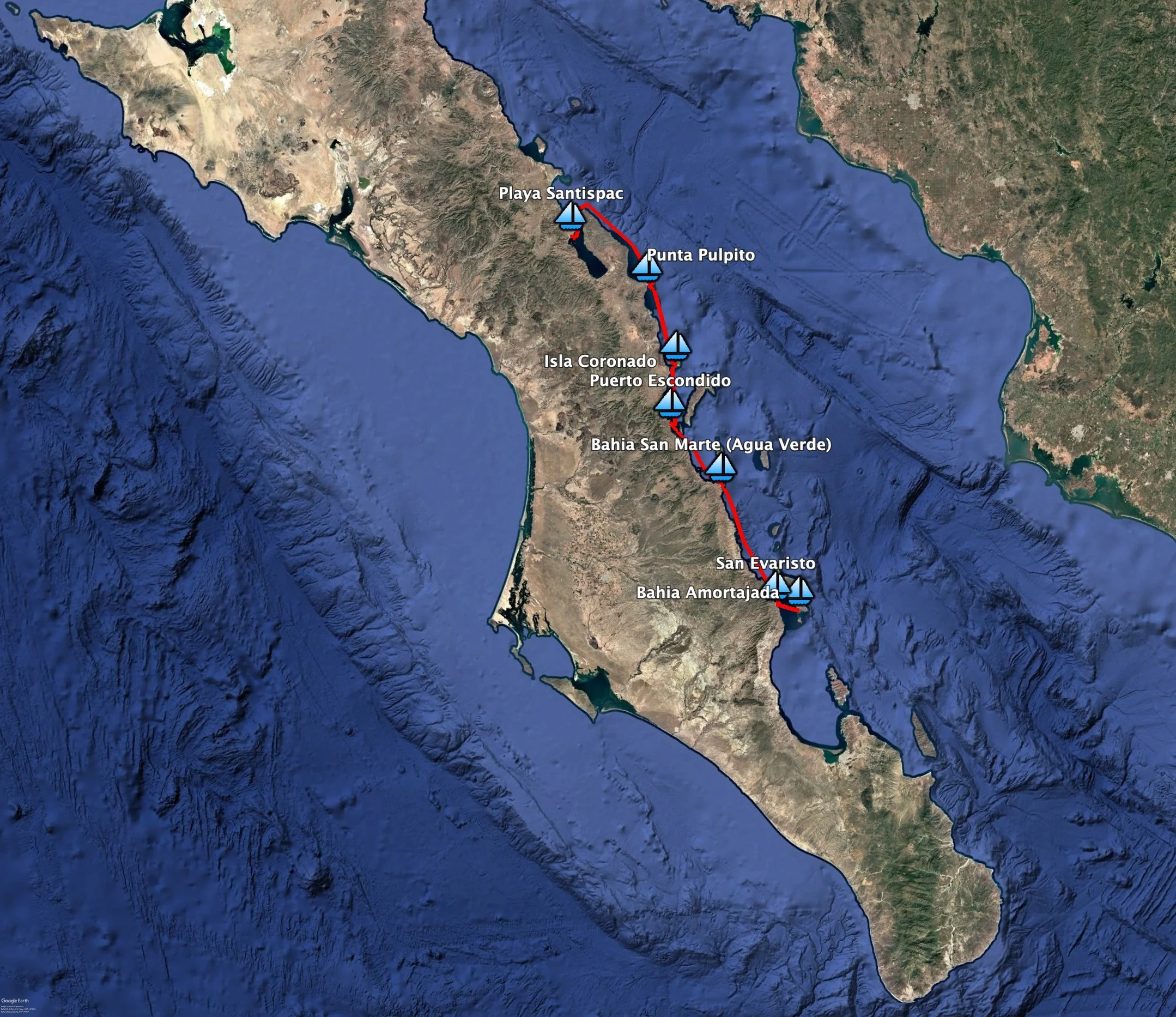
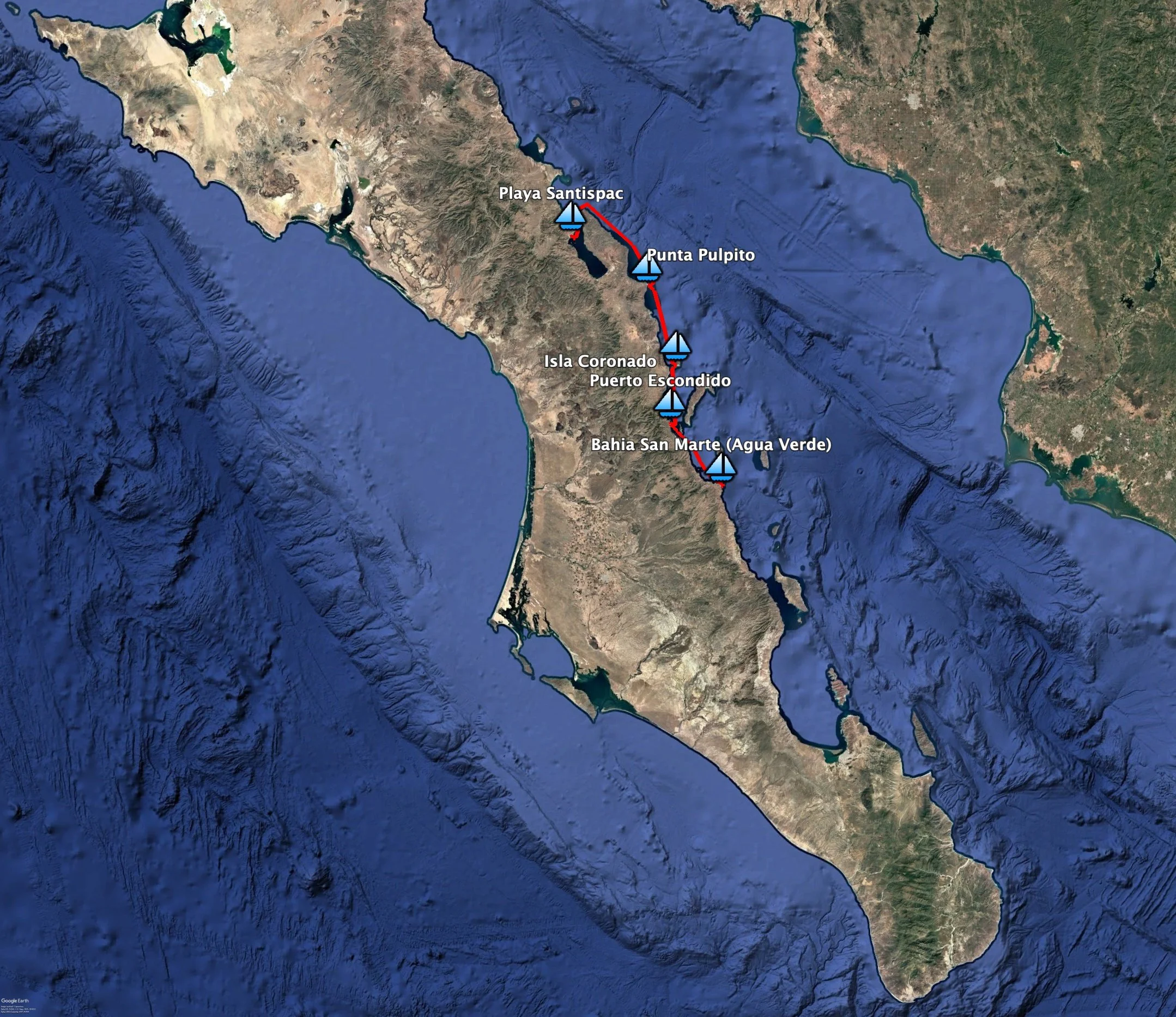
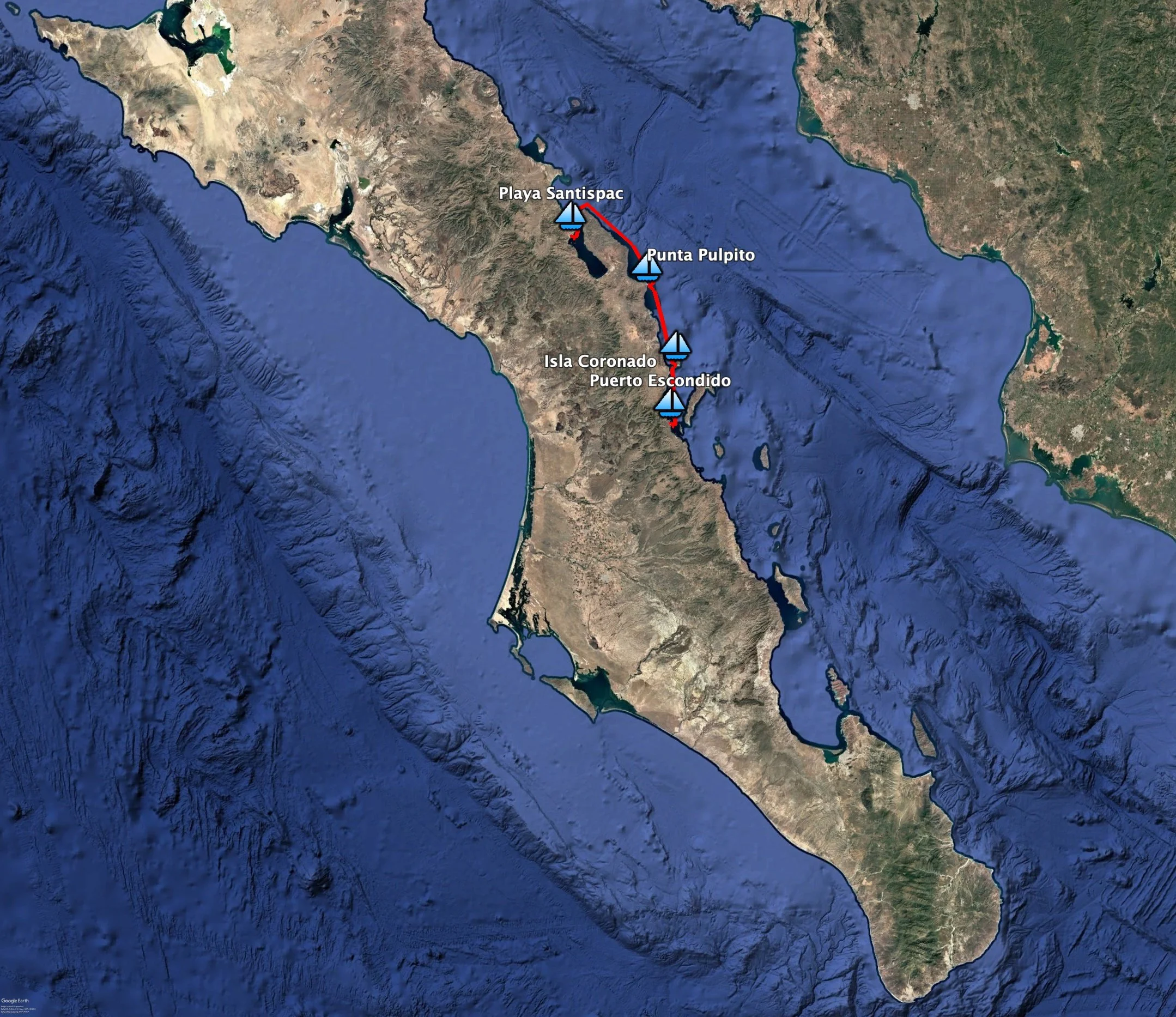
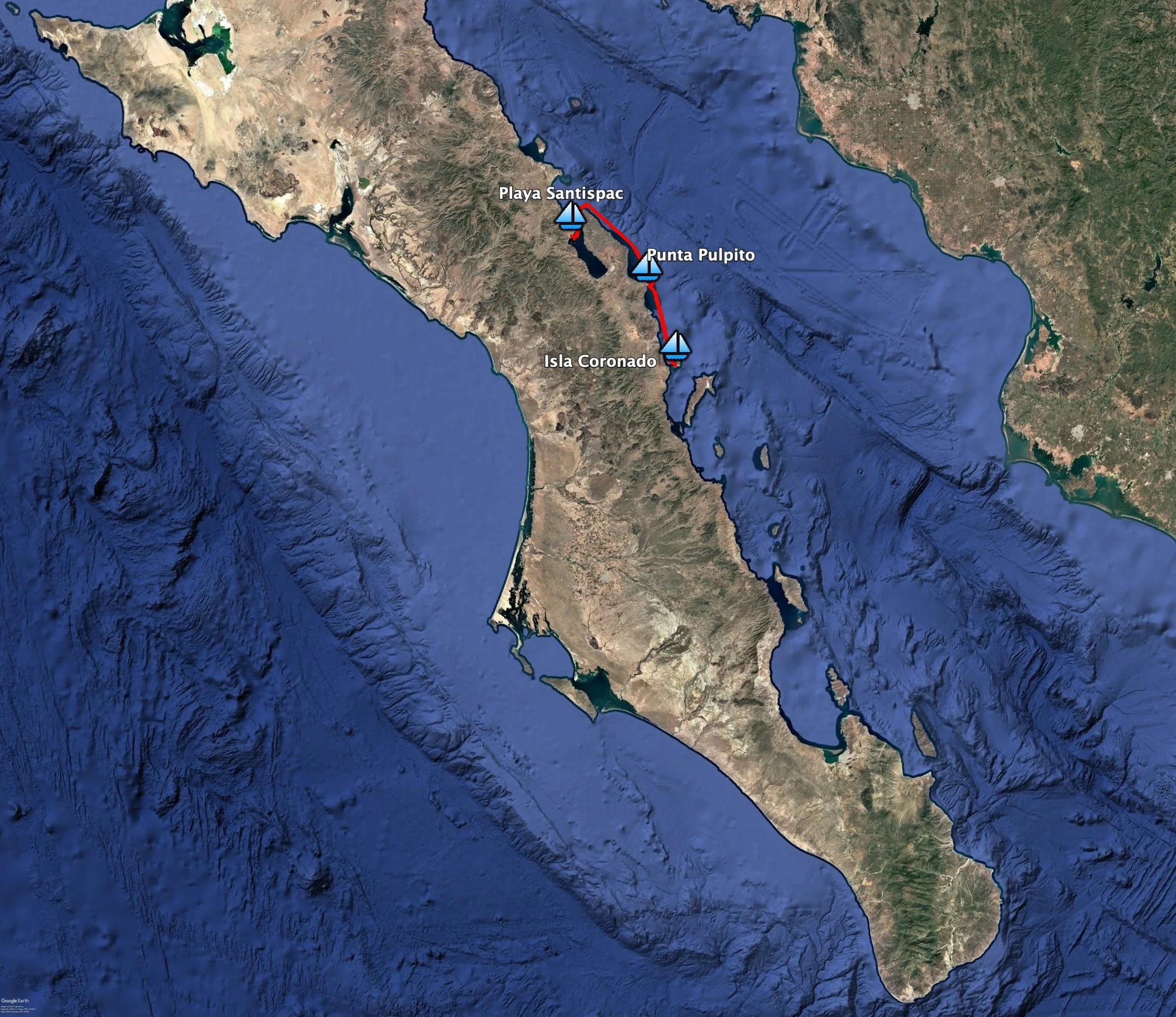
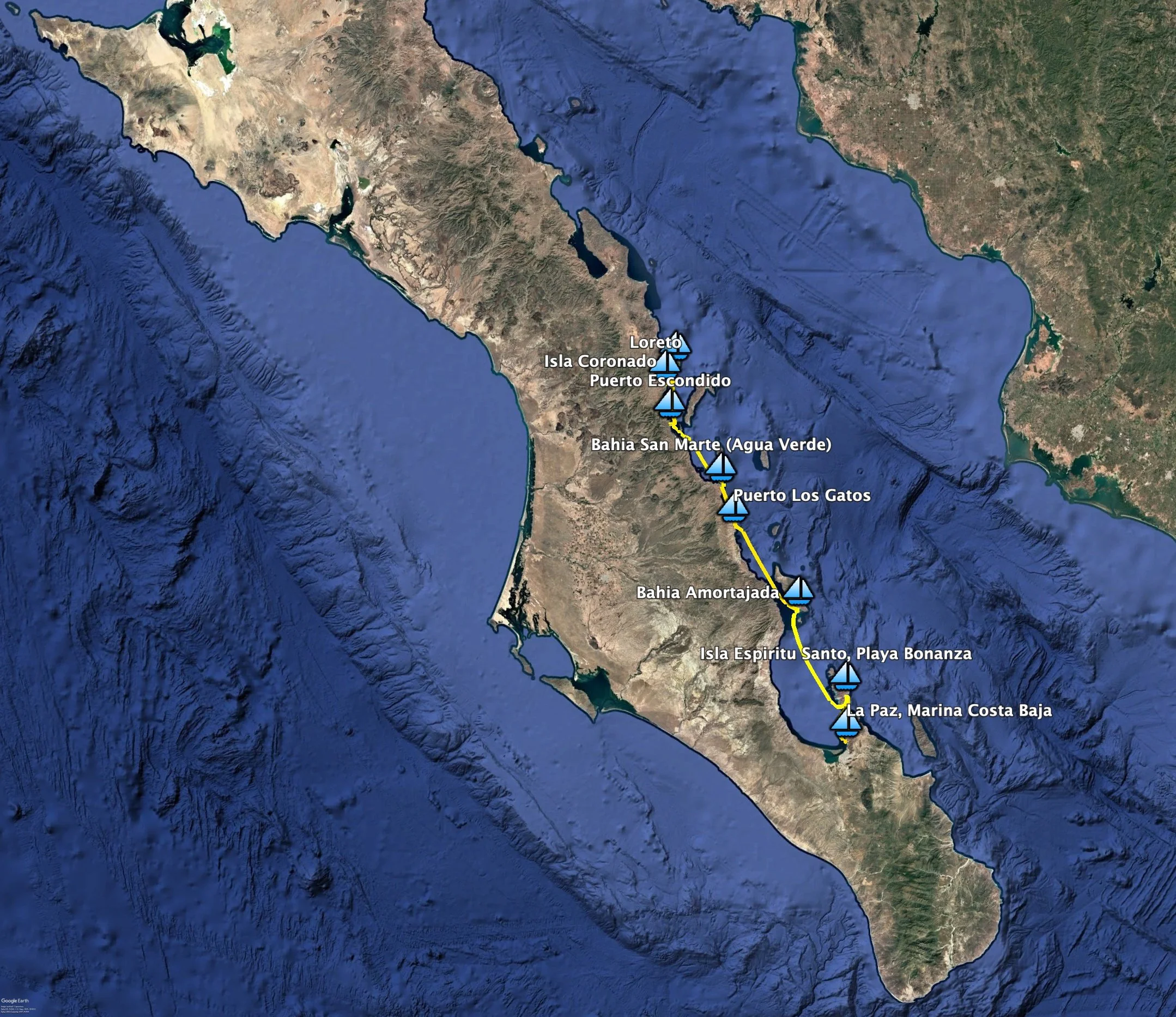
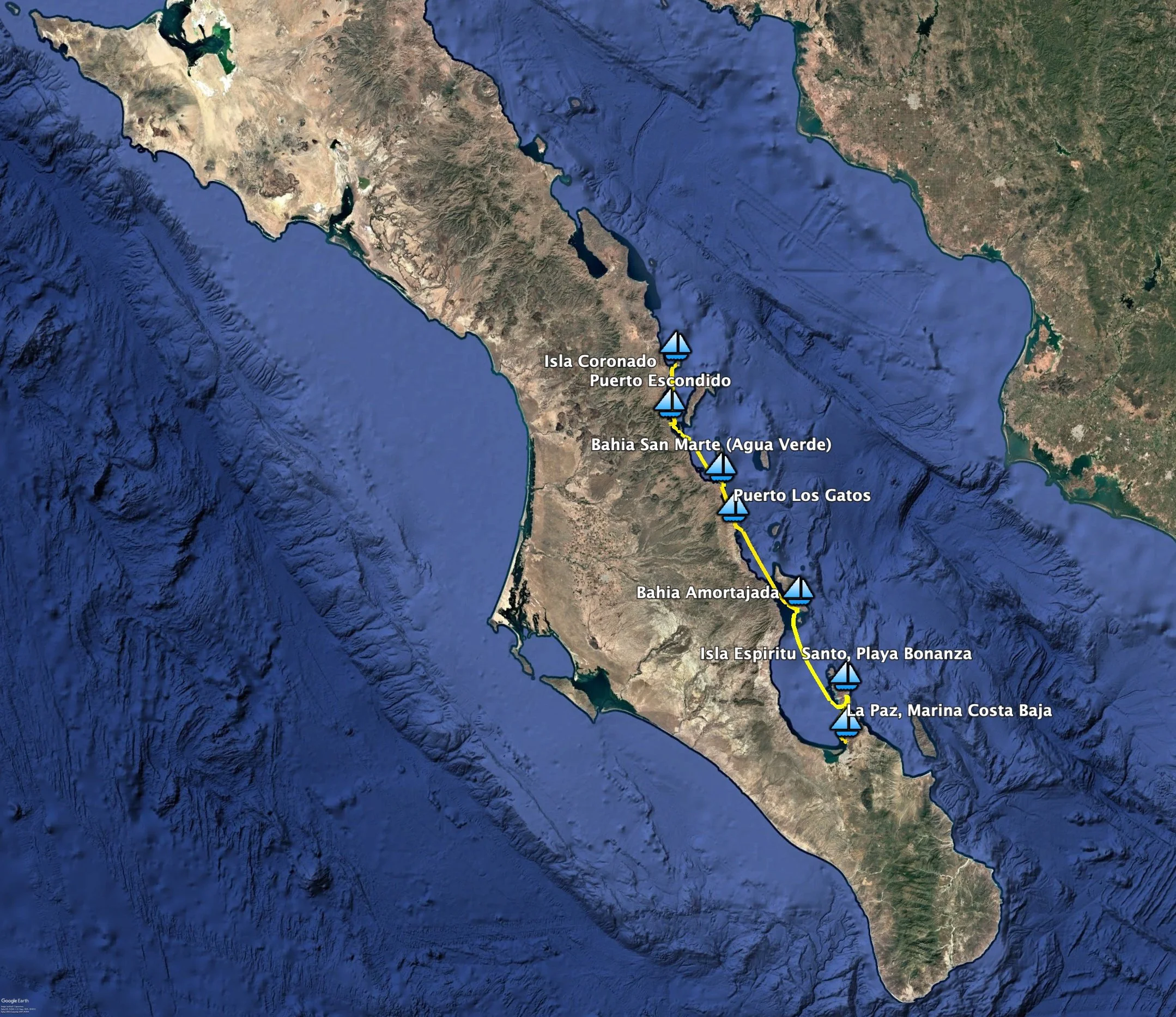
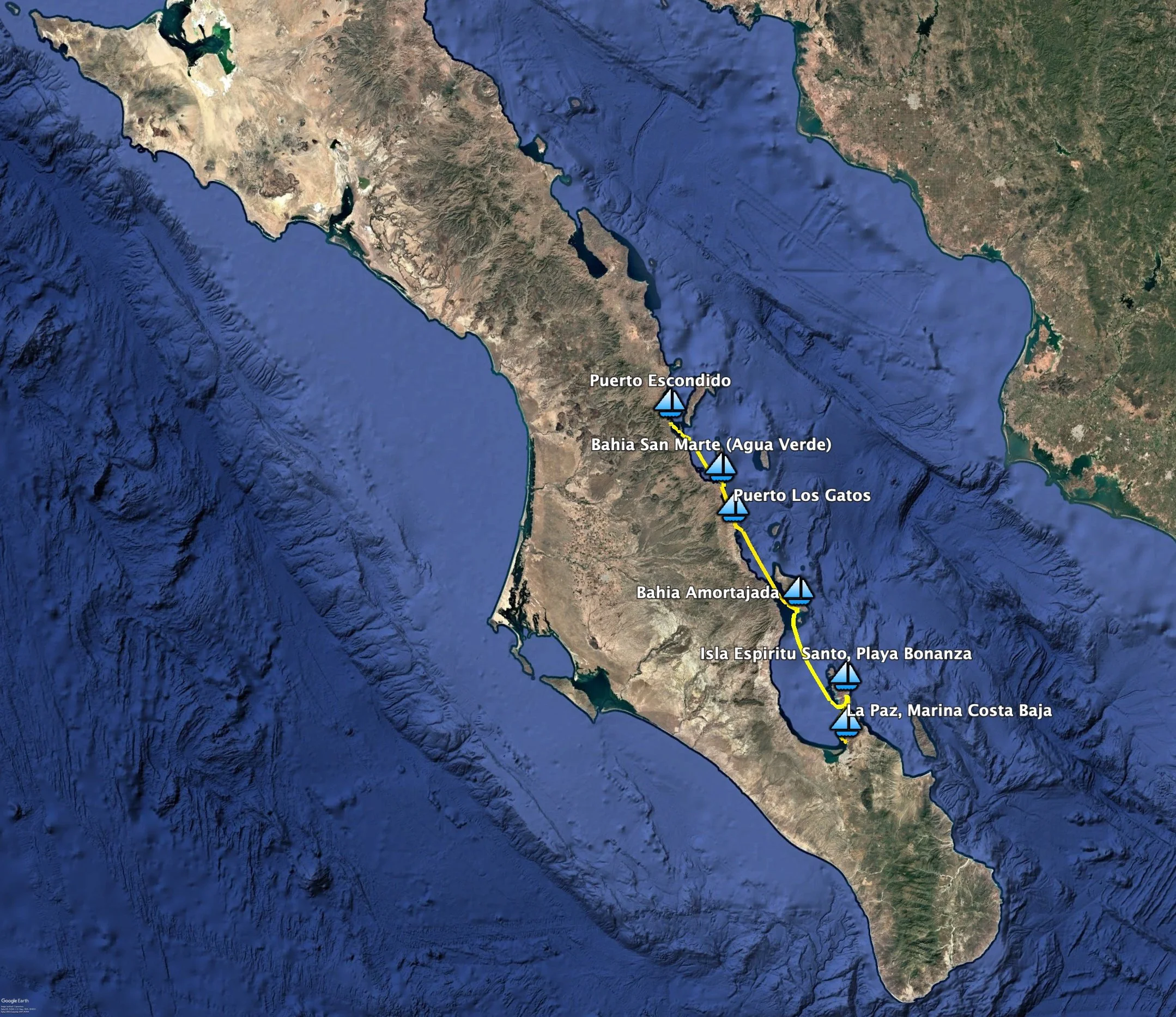
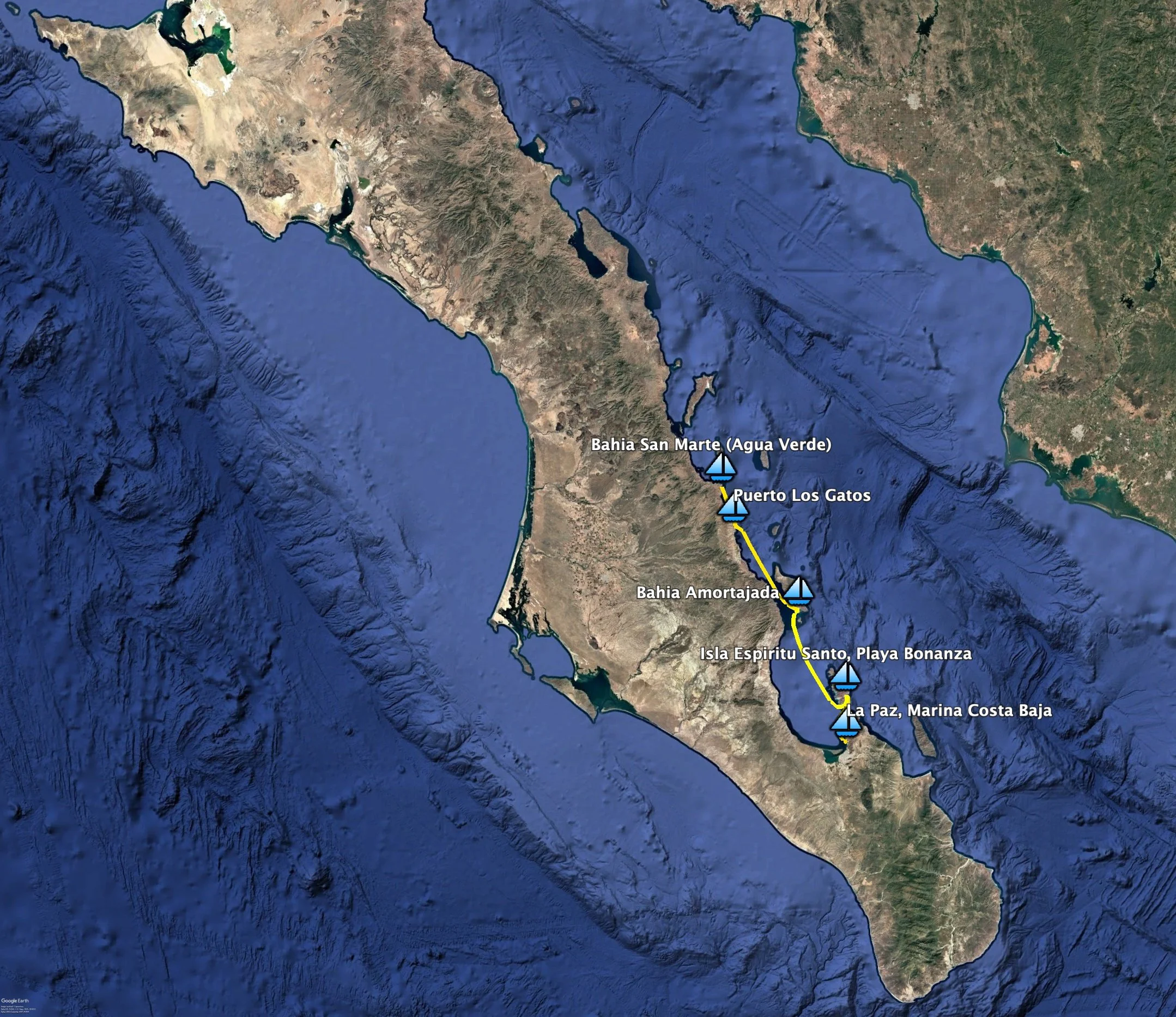
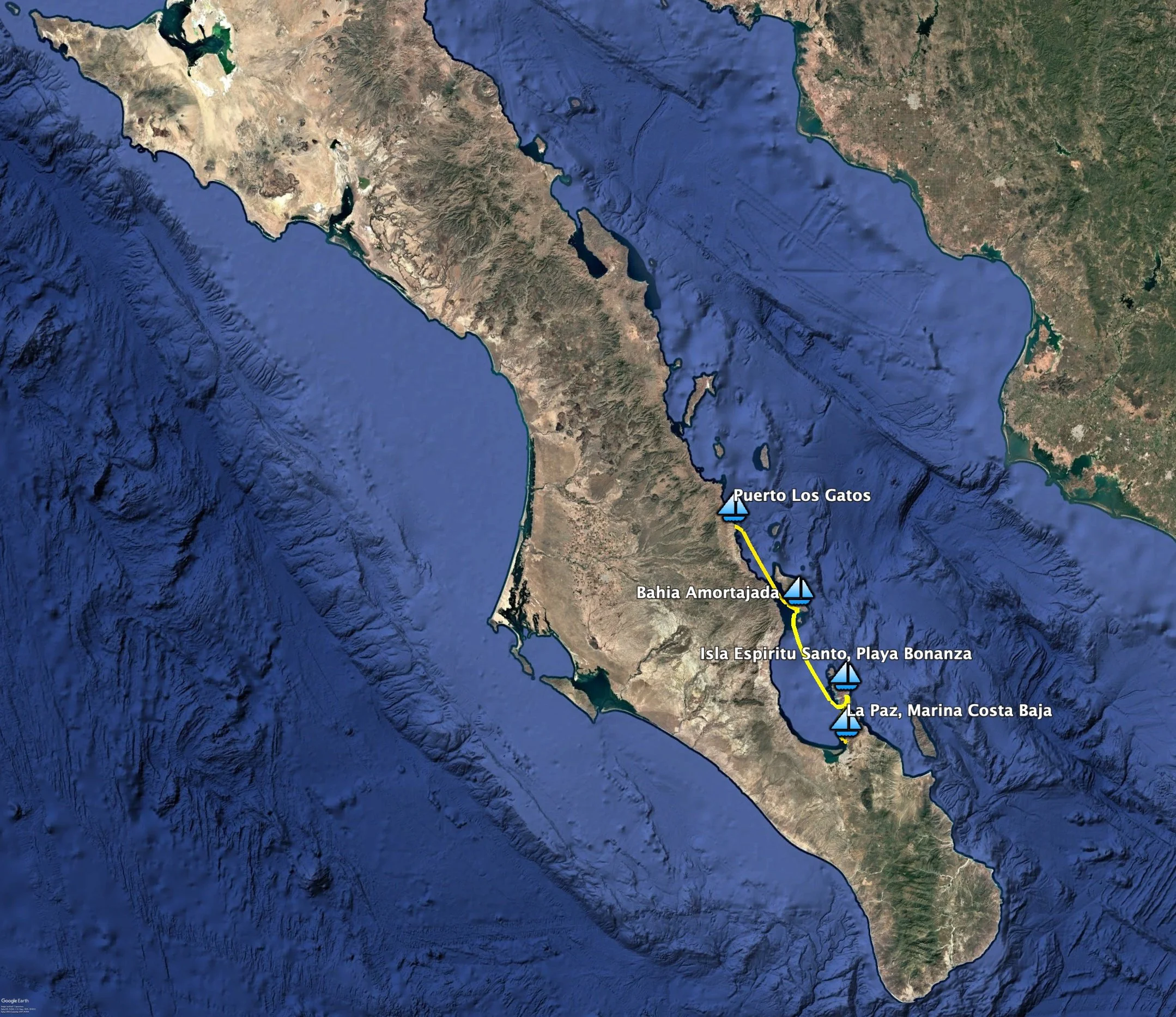
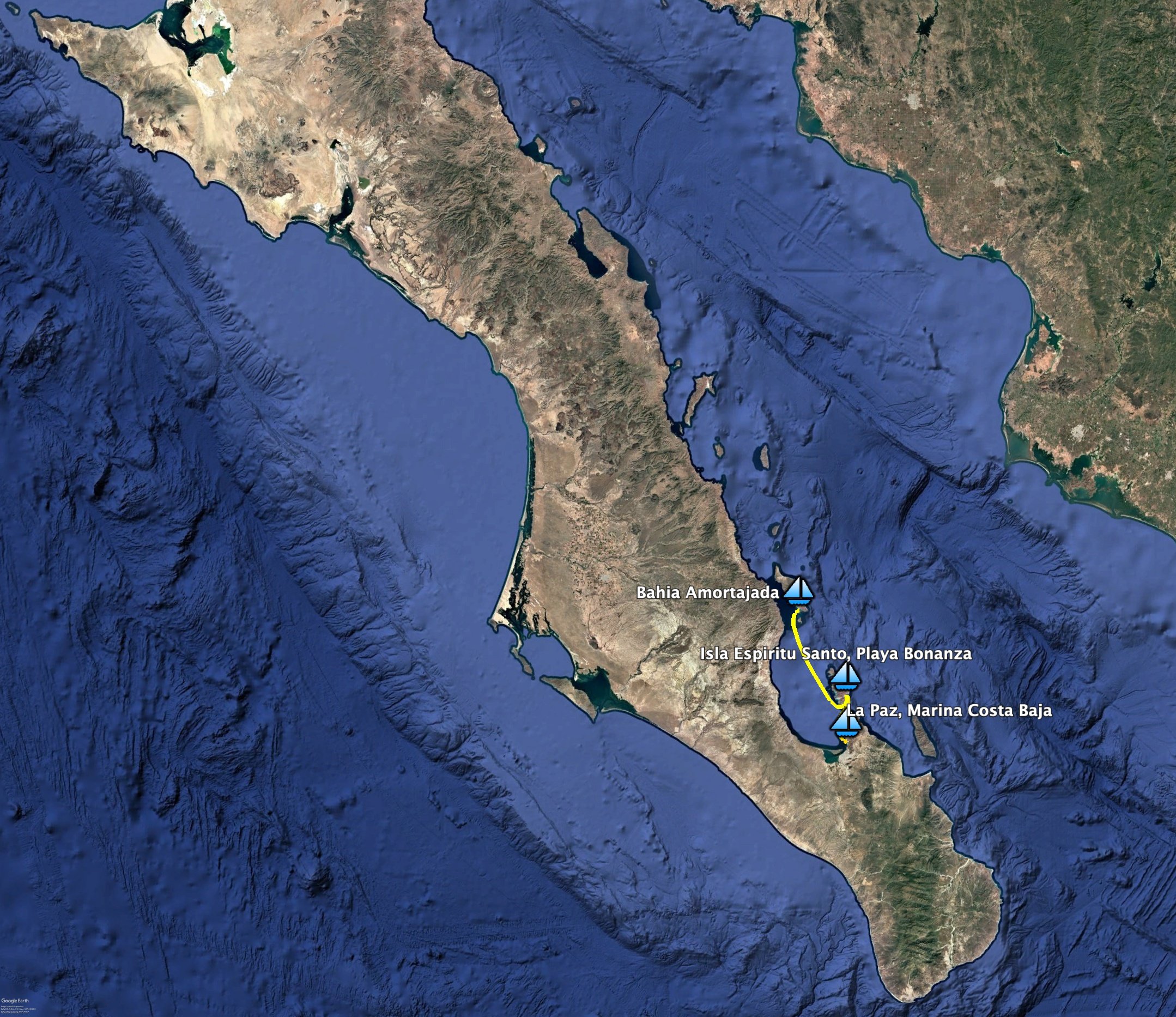
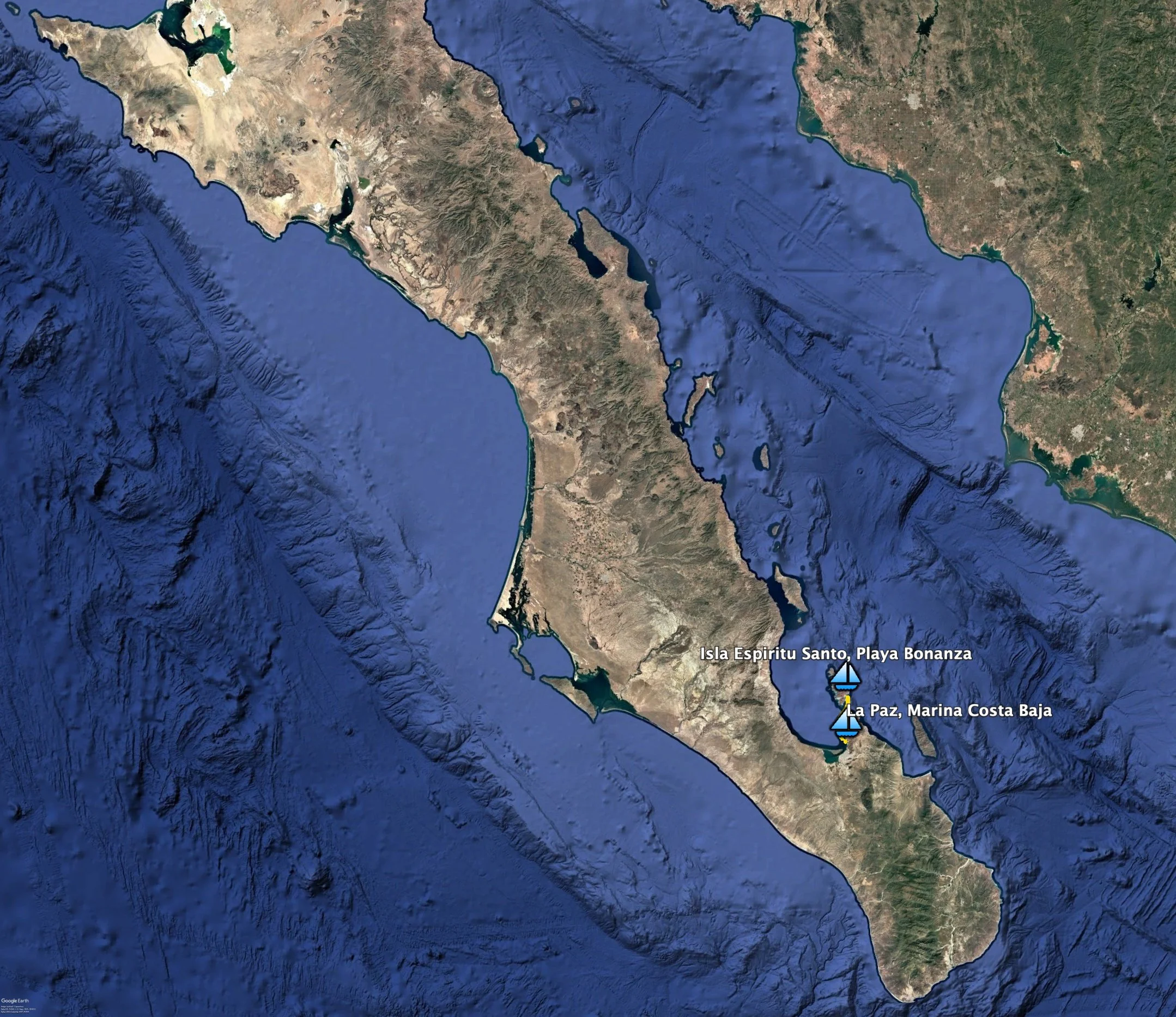
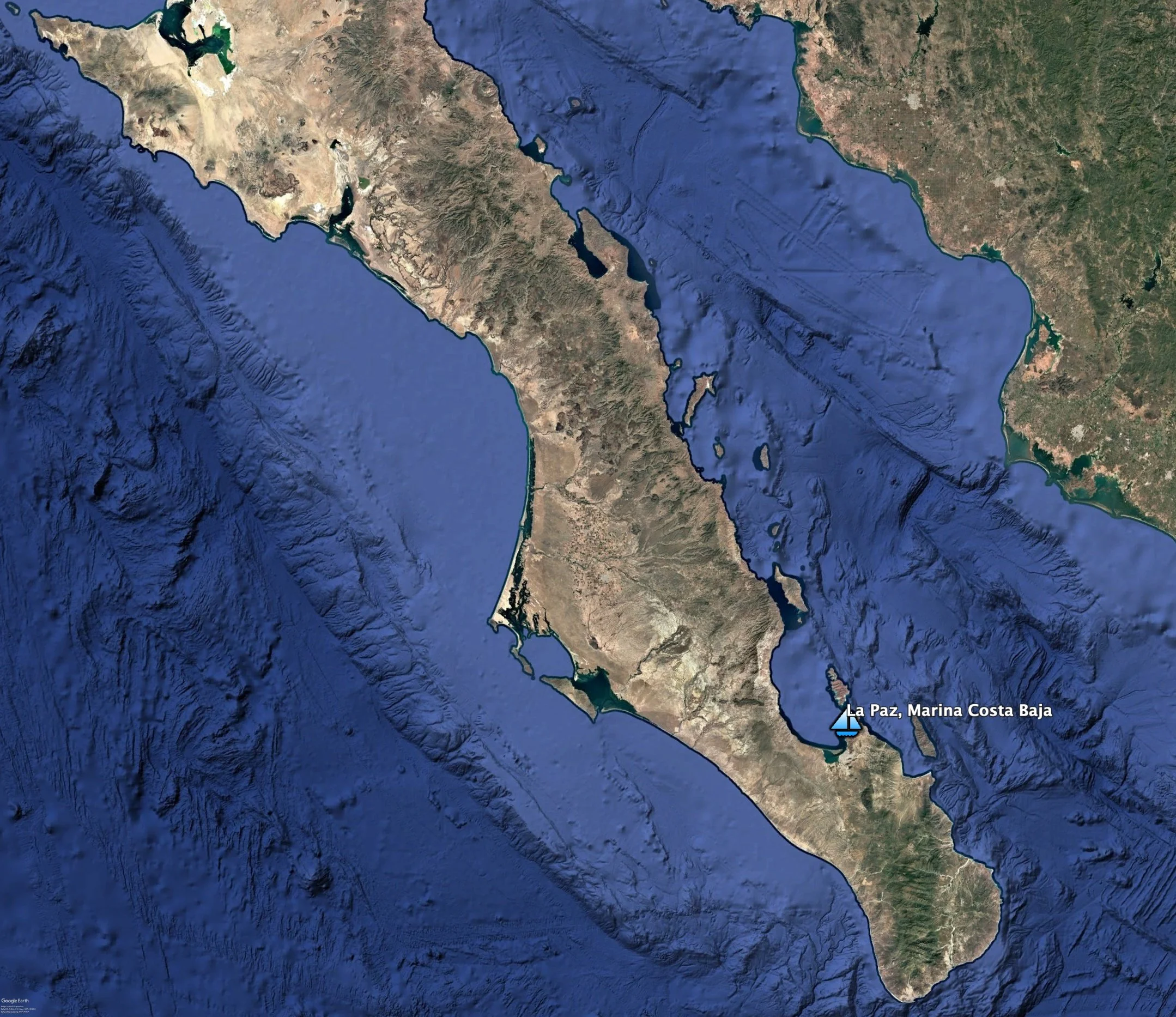
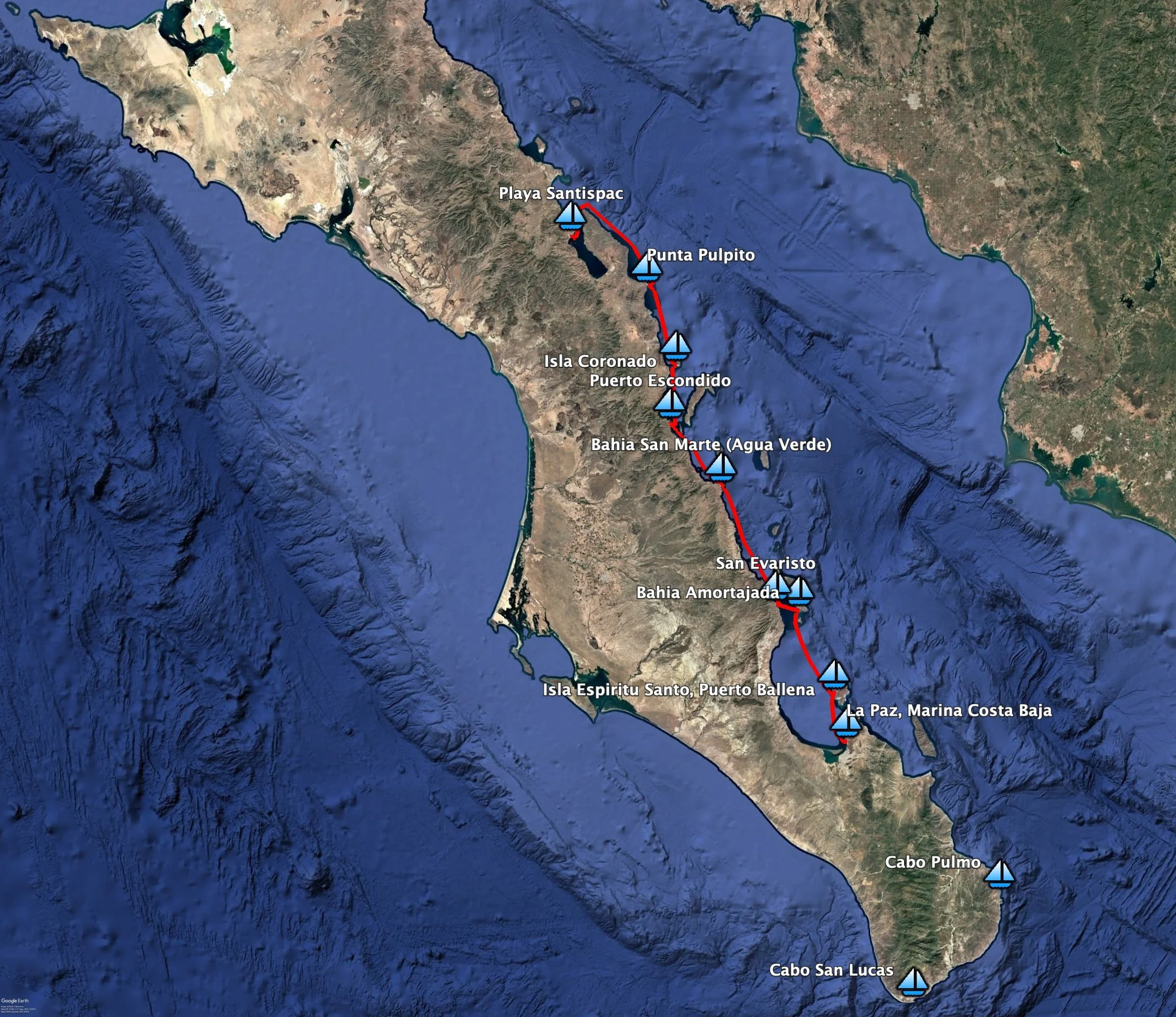
Where in the world is Green Flash?

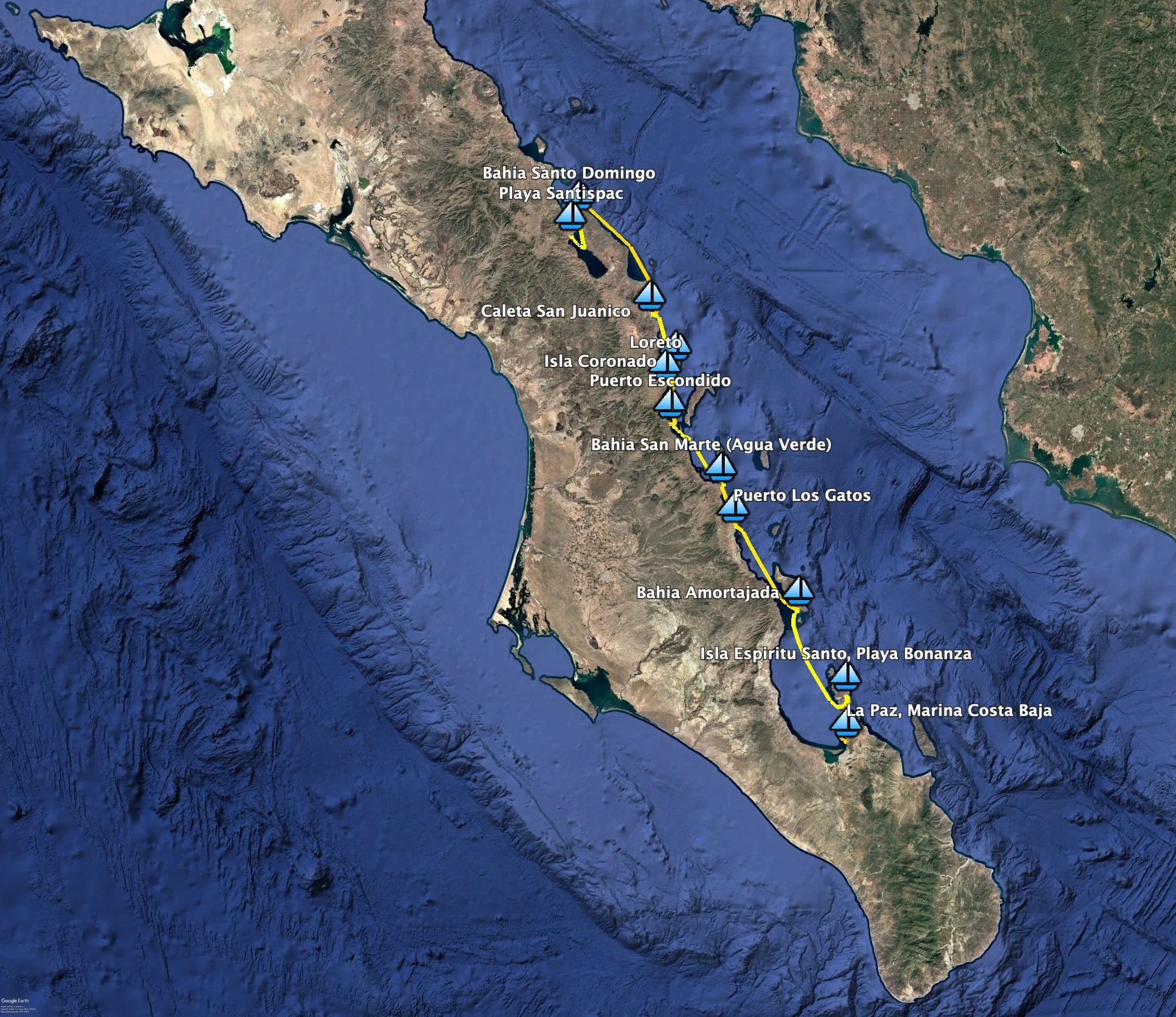
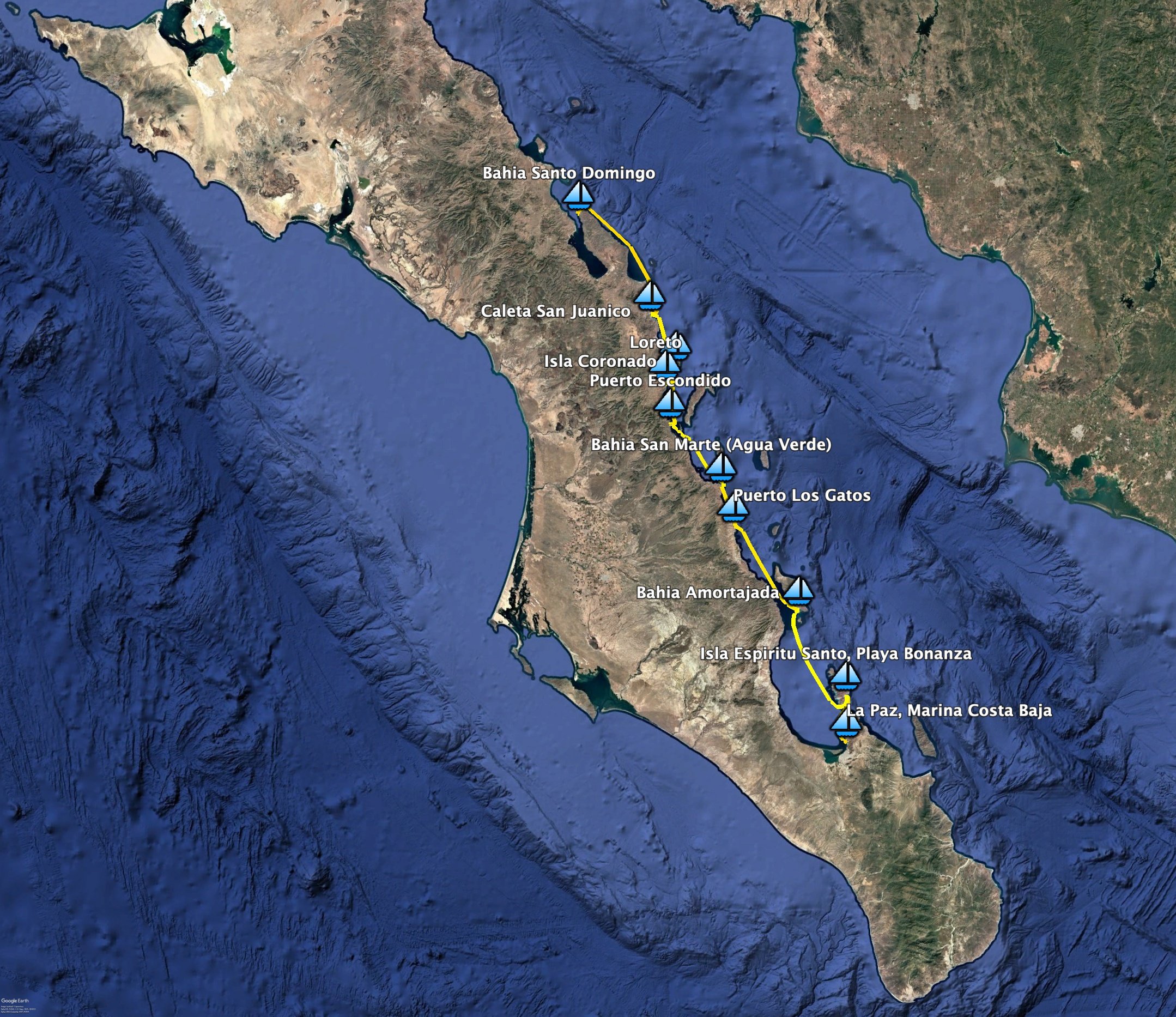
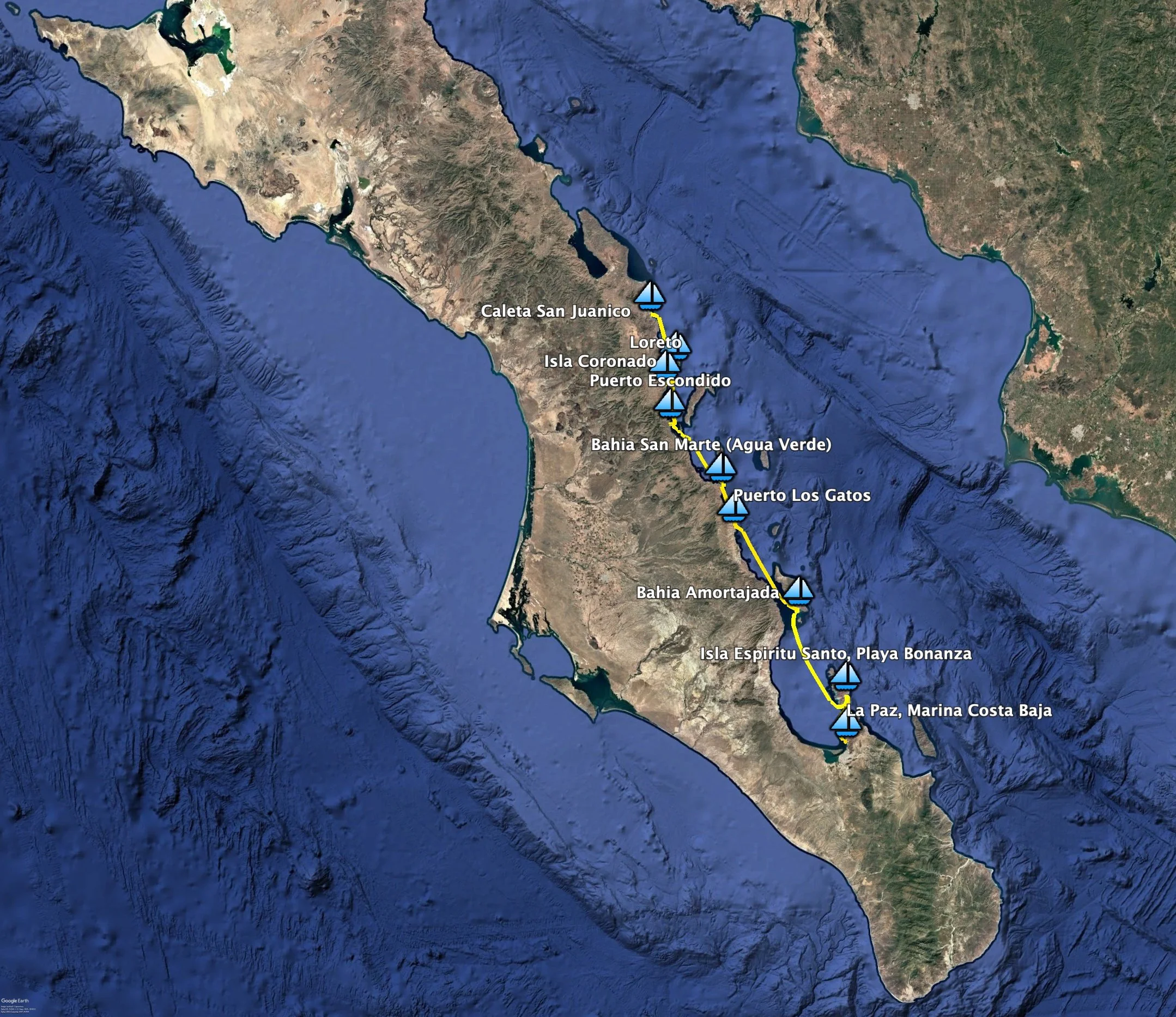
Follow our daily route on our Sea of Cortez expedition!

April 16, 2026: We sampled at our last site of our 2026 Sea of Cortez expedition in Cabo San Lucas. When Steinbeck and Ricketts and their team were here in 1940, the tuna canning factory was the only building around and no lights could be seen along the coast at night. Today, the scene is very different. The tuna factory is closed and the building is abandoned, but hundreds of hotels and resorts have been built all along the coast, with hundreds of boat tours occurring just a few meters away from where Steinbeck and Ricketts studied the intertidal community of Cabo San Lucas. When we re-sampled this location today, we unfortunately found very few species in the area.

April 15, 2026: We arrived in Cabo Pulmo to sample a rocky intertidal point with national park rangers. The winds were blowing really strong and they closed the beaches to swimmers, snorkelers, and scuba divers.

April 14, 2026: We anchored in the marina in La Paz and offloaded all of our gear and personal items and said goodbye to our floating home for the past 21 days.

April 13, 2026: We did a second live Q&A with students and the public in the morning as we transited to El Mogote off La Paz to do some sampling at a mangrove lagoon site Steinbeck and Ricketts sampled in 1940.

April 12, 2026: A long, but beautiful transit day back to Isla Ispiritu Santo. We got to sail around a sea lion colony and snorkel in a couple beautiful little coves along the way!

April 11, 2026: We sampled at Bahia Amortajada, where Steinbeck and Ricketts spent Easter Sunday in 1940, and then interviewed local fishing family at El Pardito, a super unique fishing village on a tiny rocky island!

April 9, 2026-April 10, 2026: We ran into a dear friend in a small local restaurant in Agua Verde and then interviewed the women descendants of the founding family of the Agua Verde fishing village!

April 8, 2026 - April 9, 2026: Puerto Escondido to sample Stienbeck and Ricketts’ “Inner Bay” site and “Outer Bay” site.

April 6, 2026 - April 7, 2026: We started our south-bound journey from Bahia Concepcion to reach Loreto to resupply the ship with fresh drinking water and fresh produce.

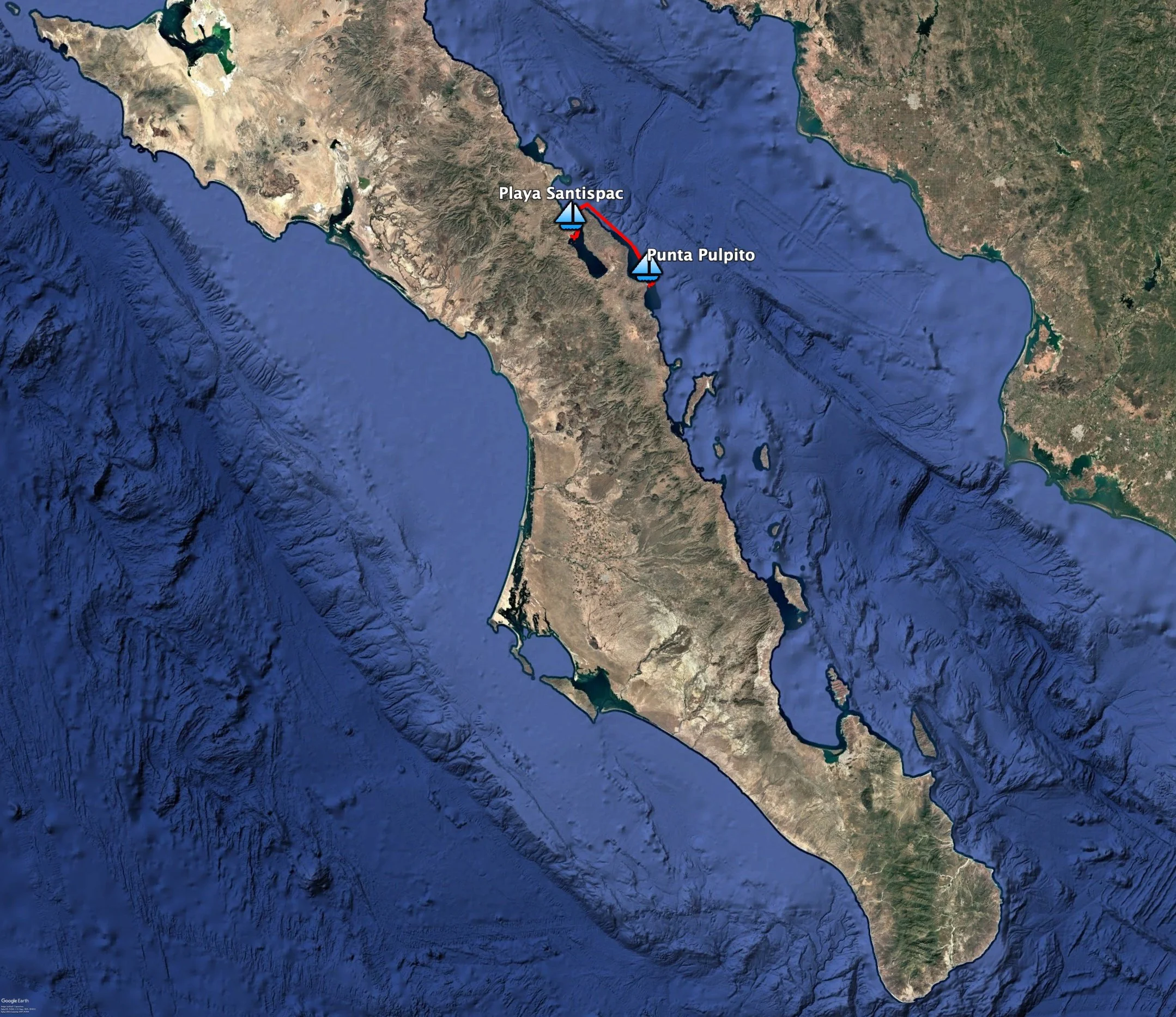
April 3, 2026-April 5, 2026: We did a 13.5 hour nonstop transit to arrive in Bahia Concepcion. We were originally going to break the transit up into multiple days, but the wind was turning bad and the Captain wanted to make it to the safety of the enclosed bay before the winds got worse the next day. We sampled the mangroves of Playa Santispac and rocky intertidal of Santo Domingo. The beaches at Playa Stantispac were crowded with locals enjoying a week of camping and family time for Semana Santa, the holy week leading up to Easter.

April 2,2026: We spent the day in Loreto to resupply the ship with fresh drinking water and groceries and a quick stop at the local doctors office for one of our team members.

April 1,2026: We sampled at Isla Coronado with Conserva Loreto and the UABC students enjoyed our first day of training that they came back for another day of sampling!

March 31, 2026: We used a rocky intertidal site at Puerto Escondido to teach and train the Conserva Loreto team, local female leaders of the town of Ligui, and undergraduate students of Universidad Autónoma de Baja California. It was the most rewarding day we’ve had so far, seeing the students get so excited by what we were teaching them and the animals they found in the tide pools.

March 30, 2026: We sampled the rocky intertidal at Agua Verde Punta San Marcial. It was one of the most beautiful sites we have seen yet, with amazing geology that made for great tide pooling.

March 29,2026 - We anchored just off Agua Verde and took our dinghy to shore to interview local fishermen of the Agua Verde fishing cooperative and enjoyed his delicious fresh fish tacos for dinner on the beach.

March 28, 2026: We sampled towards Isla Cayo, a tiny rocky-spit of an island near Bahia Amortajada. Steinbeck and Ricketts wrote that this site looked like a “burned rock” and looked inhospitable, but we found the site to be an active sea bird nesting site with a lot of marine life around it, including sea lions, dolphins, and humpback whales. We also found the intertidal region to be one of our most biodiverse sites.

March 27, 2026: We set sail towards Bahia Amortajada and anchored at Isla San Francisquito

March 26, 2026: We finally set sail this morning at 6 AM and made our way out to Isla Espirtu Santo to sample. It is now a protected island with a lot of biodiversity.

March 24, 2026-March 25, 2026: We sampled our first rocky intertidal site in La Paz. John Steinbeck, Ed Ricketts, and their crew sampled in on March 21, 1940.

And over the next two days we provisioned the ship with groceries, drinking water, and loaded all of our scientific equipment and personal items.

Next
Next

Bringing Steinbeck & Ricketts into the MBON Era